
How to Verify Employment History Before Hiring
Hiring decisions can significantly impact the success of a business. While resumes and interviews provide valuable insights into a candidate’s experience and skills, they do not always tell the full story. Many employers assume that the information provided by applicants is accurate, only to discover later that employment dates, job titles, responsibilities, or even entire work histories were misrepresented.
As competition for jobs increases, some candidates may exaggerate their qualifications to improve their chances of being hired. For businesses, these inaccuracies can lead to poor hiring decisions, financial losses, productivity issues, and reputational risks. This is why employment verification has become an essential part of the recruitment process.
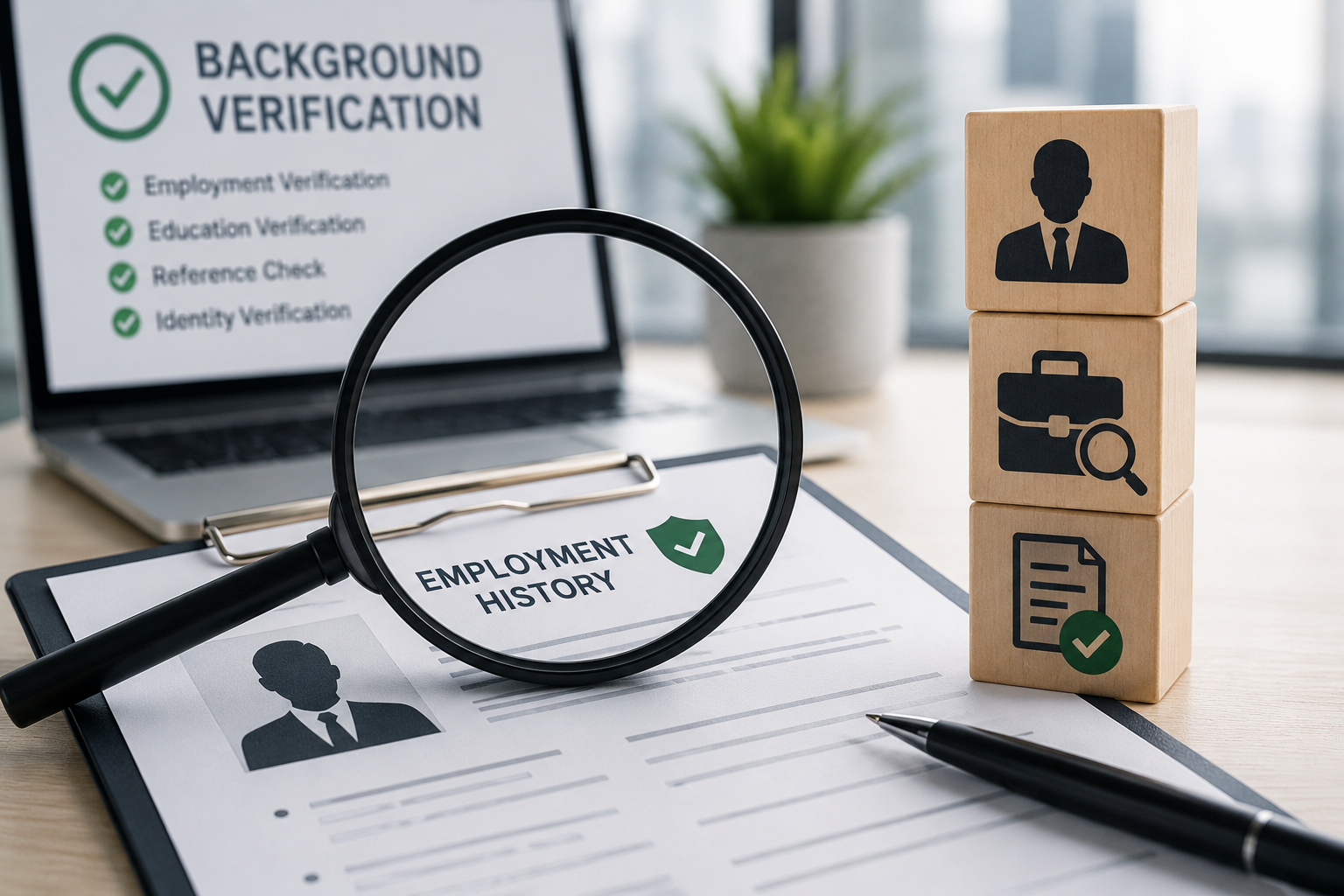
Why Employment History Verification Matters
A candidate’s previous employment record often serves as one of the strongest indicators of future performance. Employers rely on work experience to assess skills, industry knowledge, and professional credibility.
However, relying solely on self-reported information can be risky. Studies and recruitment industry reports consistently show that resume inaccuracies are common, ranging from minor date adjustments to completely fabricated positions. Background screening providers routinely identify discrepancies in employment history, education records, and professional credentials during verification processes.
Even small inaccuracies can affect hiring decisions. A candidate who claims to have managed large teams or handled critical responsibilities may not possess the experience required for the role. Without verification, businesses risk onboarding individuals who cannot meet job expectations.
Common Employment History Red Flags
Employment verification often reveals warning signs that may otherwise go unnoticed during interviews.
One of the most common issues is inconsistent employment dates. Candidates may extend employment periods to hide career gaps or make their experience appear longer than it actually was.
Another concern involves inflated job titles. Employees who held junior positions may present themselves as managers or supervisors to improve their profile. In some cases, companies discover that candidates never worked for the organization they listed on their resume.
Frequent job changes without reasonable explanations can also warrant further review. While career mobility is common today, a pattern of short-term employment may indicate performance issues or other concerns that employers should understand before hiring.
The Employment Verification Process
Effective employment history verification goes beyond simply checking whether a candidate worked at a particular company.
The process typically includes confirming employment dates, job titles, reporting structures, responsibilities, and, where legally permissible, reasons for leaving. Professional background screening providers may also verify professional certifications and references to create a more complete picture of a candidate’s background.
For businesses hiring senior executives, finance professionals, or employees with access to sensitive information, enhanced verification procedures may be necessary. These checks help organizations identify potential risks before extending an offer.
Challenges of Employment Verification
Verifying employment history can be more complex than many employers realize, especially when hiring across multiple countries.
In Southeast Asia, employment records may vary significantly between jurisdictions. Some companies have limited record-keeping systems, while privacy regulations can restrict the type of information employers are permitted to share.
Cross-border hiring introduces additional challenges. Verifying international employment records often requires local expertise, language capabilities, and access to regional resources.
Businesses expanding into markets such as Indonesia and Singapore increasingly rely on professional background screening providers to manage these complexities and ensure compliance with local requirements.
How Employment Verification Reduces Hiring Risk
The primary goal of employment verification is to reduce uncertainty during recruitment.
By confirming work history before hiring, organizations can make decisions based on verified information rather than assumptions. This helps prevent hiring mistakes, improves workforce quality, and strengthens workplace security.
Employment verification also supports compliance efforts, particularly in regulated industries where employee qualifications and credentials are critical. Certain sectors increasingly require documented verification processes as part of broader hiring and risk management frameworks.
Beyond risk reduction, verification demonstrates a commitment to professional hiring standards. Candidates understand that organizations conducting thorough screening processes take recruitment seriously and value integrity.
The Growing Importance of Background Screening in Southeast Asia
As businesses across Southeast Asia continue to expand, hiring risks are becoming more significant. Organizations are recruiting talent across borders, embracing remote work, and managing increasingly complex workforce structures.
In this environment, background screening services have become a strategic business tool rather than simply an administrative step. Employers are investing in verification processes to protect their reputation, improve hiring outcomes, and maintain trust with clients and stakeholders.
Companies operating in Indonesia, Singapore, and throughout the region increasingly recognize that thorough employment verification is an investment in long-term business success. Background screening helps organizations verify people, assess risks, and make informed decisions before important hiring commitments are made.
Conclusion
A strong resume does not always guarantee an accurate employment history. Without proper verification, businesses may unknowingly hire individuals whose experience, qualifications, or professional backgrounds have been misrepresented.
Employment verification services help organizations confirm candidate information, identify discrepancies, and reduce recruitment risks before onboarding new employees.
In today’s competitive hiring environment, employment history verification is no longer optional. It is a critical component of responsible hiring, helping businesses build trustworthy teams, strengthen compliance, and make confident recruitment decisions.
Frequently Asked Questions (FAQs)
1. What is employment history verification?
Employment history verification is the process of confirming a candidate’s previous employment details, including job titles, dates of employment, and work experience.
2. Why is employment verification important?
It helps employers identify inaccuracies, reduce hiring risks, and make informed recruitment decisions based on verified information.
3. What information is usually verified?
Employers typically verify employment dates, job titles, reporting relationships, responsibilities, and professional references.
4. Can employment verification detect resume fraud?
Yes. Employment verification can identify false claims, inaccurate employment dates, inflated job titles, and fabricated work experience.
5. When should employment verification be conducted?
Verification is usually performed after interviews and before a formal job offer is finalized.