
Vendor Due Diligence in Indonesia: How to Prevent Third-Party Risk Before It Happens
As businesses expand across Southeast Asia, partnerships with vendors, suppliers, consultants, and local agents have become essential to growth. These relationships help companies access new markets, manage operations, and deliver services more efficiently. However, working with third parties also introduces risks that can significantly impact a company’s financial stability, compliance standing, and reputation.
Vendor due diligence has therefore become an important part of responsible business practice in Indonesia. By carefully evaluating third-party partners before entering into agreements, organisations can identify potential risks early and avoid costly problems later.
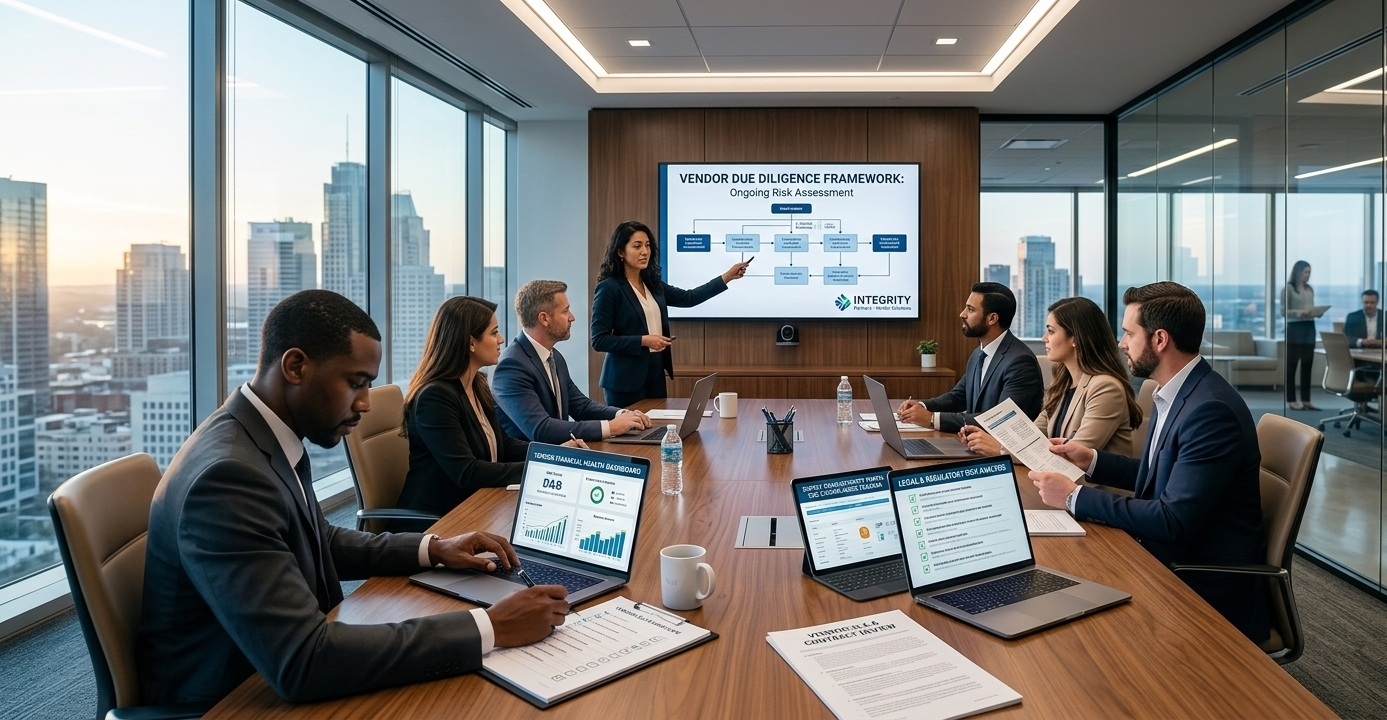
Understanding Vendor Due Diligence
Vendor due diligence is the process of assessing the credibility, integrity, and operational reliability of third-party partners before establishing a commercial relationship. This evaluation typically involves reviewing a vendor’s corporate background, ownership structure, financial standing, regulatory history, and reputation.
The goal is to ensure that the vendor is legitimate, compliant with applicable regulations, and capable of delivering services without exposing the organisation to unnecessary risk. Vendor due diligence is particularly important in markets where companies rely on local suppliers or intermediaries to conduct business.
In Indonesia, where corporate structures, regulatory requirements, and local business practices can vary significantly, conducting proper vendor checks helps organisations gain clarity about who they are working with and how the partnership may affect their operations.
Why Third-Party Risk Is Increasing
Modern organisations rely on a wide network of third parties. Vendors may handle procurement, logistics, technology services, regulatory licensing, or local market representation. While these relationships are essential, they can also create exposure to operational and compliance risks. In some cases, third-party partners may engage in practices that violate regulatory standards or ethical business expectations. If misconduct occurs within the supply chain, the organisation that hired the vendor may still face legal, financial, or reputational consequences.
This is why regulators and international compliance frameworks increasingly emphasise third-party risk management. Companies are expected to understand the background and integrity of the vendors they engage. Vendor due diligence allows organisations to identify warning signs before a partnership begins, reducing the likelihood of future disputes or compliance challenges.
Key Areas Reviewed During Vendor Due Diligence
When assessing a vendor in Indonesia, organisations typically review several important factors to determine whether the business relationship is safe and reliable. Corporate verification is one of the first steps. This involves confirming that the vendor is legally registered, properly licensed, and operating in accordance with Indonesian corporate regulations. Understanding the company’s ownership structure is also essential, as complex ownership arrangements may reveal hidden stakeholders or conflicts of interest.
Financial stability is another important consideration. A vendor that is financially unstable may struggle to fulfil contractual obligations or may engage in questionable practices to sustain operations. Reputational checks also play a critical role. Reviewing publicly available records, litigation history, and adverse media can help organisations identify integrity concerns or past disputes that could affect the partnership. Taken together, these reviews provide a clearer picture of whether the vendor represents a reliable business partner.
Strengthening Business Relationships Through Transparency
Vendor due diligence is not only about identifying risks. It also helps build stronger and more transparent partnerships. When both parties understand that a structured evaluation process is part of responsible business practice, it sets clear expectations from the beginning of the relationship. Vendors that pass due diligence checks often gain greater credibility and trust within the partnership.For organisations, working with verified and reputable vendors improves operational reliability and reduces uncertainty in supply chains. This transparency ultimately supports long-term collaboration and sustainable business growth.
Conclusion
As Indonesia continues to attract international investment and business expansion, organisations are increasingly dependent on reliable third-party partners. However, without proper evaluation, vendor relationships can expose companies to financial, legal, and reputational risks.
Vendor due diligence provides the necessary insight to make informed partnership decisions. By verifying corporate legitimacy, financial stability, and reputational standing, companies can identify potential issues before entering into agreements.
Frequently Asked Questions
1. What is vendor due diligence?
Vendor due diligence is the process of evaluating a third-party partner’s background, credibility, and operational reliability before establishing a business relationship.
2. Why is vendor due diligence important in Indonesia?
It helps organisations identify potential risks, confirm vendor legitimacy, and ensure compliance with local and international regulations.
3. What information is typically reviewed during vendor checks?
Common reviews include corporate registration verification, ownership structure analysis, financial stability assessments, and reputational checks.
4. Can vendor due diligence prevent third-party risk completely?
While it cannot eliminate all risks, proper due diligence significantly reduces the likelihood of working with unreliable or non-compliant partners.
5. When should vendor due diligence be conducted?
Vendor checks should ideally be completed before signing contracts or beginning any formal business relationship.
How Veris Can Help
Veris supports organisations operating in Indonesia with structured vendor due diligence services designed to identify potential third-party risks before partnerships begin. Through corporate research, reputational analysis, and compliance-focused assessments, Veris helps businesses build transparent and reliable vendor relationships.
👉 Contact our team to discuss how Veris can help strengthen your vendor due diligence process and reduce third-party risk.